Measuring success by tickets shipped is like buying a cart full of ingredients that don't add up to a meal. You did the shopping, but no one's eating.
Most engineering teams have lived this. You sprint hard, velocity looks great, your Linear board is clear, but users aren't happier, churn doesn't budge, and the product doesn't feel like it's moving forward. That's the heart of feature factory syndrome: lots of motion, not enough meaning.
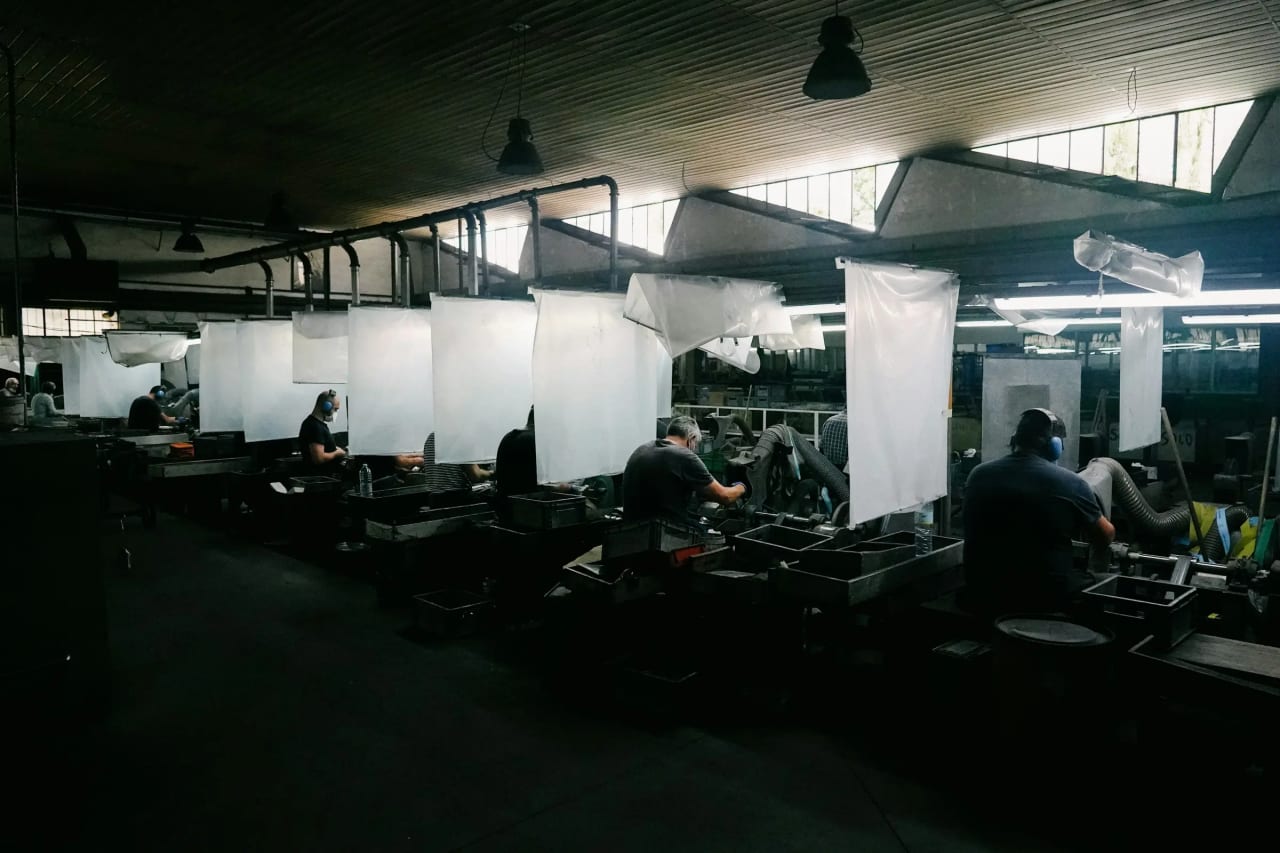
The Problem: Feature Factory Syndrome
Feature factories thrive on output. Story points, tickets closed, release cadence; all of it looks good in a status report. But if you zoom out, it's like building Lego towers without asking if they fit together into anything useful.
I've seen this pattern up close. Early-stage scrappiness can mask it, because the team is close to customers and everyone "just knows" what's important. But as you scale, that connection frays. Engineers get pushed into code machines, product managers into feature brokers, and suddenly velocity becomes the north star. It's a comforting metric, but a misleading one.
The Shift: Output → Outcome
The transformation begins when you stop asking "How much did we ship?" and start asking "What changed for the user?"
- Output metric: We shipped 10 features this quarter.
- Outcome metric: Checkout drop-off decreased 15%.
Outputs aren't meaningless, but outcomes reorient the conversation. Instead of "Did we finish the tickets?" it becomes "Did we solve the problem we set out to solve?"
Building Product Sense in Engineering Teams
Here's the unlock: engineers don't just need specs, they need context. Product sense isn't about every engineer becoming a mini-PM, it's about equipping them to connect their craft to customer outcomes.
Tactics that help:
- Expose engineers to customer calls. If live invites are a stretch, recorded Zoom calls are just as useful.
- Share not just the "what," but the "why" behind priorities.
- Teach a simple habit: ask "What problem are we solving? For who? How will we know it worked?"
- In every epic or ticket, clearly call out the intended outcome. That way, even at the individual task level, engineers see the connection to impact.
When engineers get this context, they design better solutions, avoid wasted effort, and sometimes spot opportunities product missed.
Guardrails: Product Sense ≠ Second Guessing
Of course, there's a line to watch. You want engineers who understand the product, not engineers who try to relitigate the roadmap.
- Product sense is context, not control. Engineers should grasp the user pain and success criteria so they can build better. But prioritization still lives with product.
- Product owns the "what" and "why." Engineers shape the "how" and flag risks or alternatives.
- Feedback has a forum. Customer call recaps, backlog refinement, retrospectives; these are the structured places for engineers to weigh in. Not side threads or endless "why are we even doing this?" debates.
- Anchor to outcomes. If the goal is "reduce drop-off by 15%," the discussion is "Will this approach achieve it?" not "I don't like this feature."
This framing prevents curiosity from becoming combativeness. Engineers feel empowered, but product retains direction.
Organizational Changes Required
Moving away from the factory model isn't just about team habits, it's an organizational shift.
- Shared rituals: product and engineering reviews together, not in silos.
- Shared goals: OKRs tied to outcomes, not ticket counts.
- Incentives: stop rewarding raw throughput, reward impact.
You'll hit resistance:
- Leadership clinging to throughput metrics because they're easy to measure.
- Engineers uncomfortable with ambiguity.
- PMs worried about losing control of the roadmap.
Overcoming this takes patience and proof. Start small, show wins, and scale the practices that stick.
A 6-Month Transformation Roadmap
The right timeline depends heavily on team size and existing patterns. A very small startup could shift in days or weeks, while a larger organization may need the full six months to rewire habits.
Month 1–2: Awareness & Alignment
- Audit metrics, rituals, and incentives.
- Run workshops on outcome-driven thinking.
- Expose engineers to real customer feedback.
Month 3–4: Experimentation
- Pilot outcome-driven metrics on one team.
- Test joint rituals like combined sprint reviews.
- Start shifting performance reviews away from pure velocity.
Month 5–6: Institutionalize
- Expand pilots across more teams.
- Update org-wide dashboards to show outcomes, not just outputs.
- Codify this in hiring, onboarding, and promotion criteria.
- Document the playbook for scaling further.
Looking Ahead: Why This Matters in 2025+
AI is making it easier than ever to crank out features. But faster output without stronger product sense just accelerates irrelevance.
The companies that win won't be the ones who ship the most tickets, they'll be the ones who connect engineers to customer outcomes and build that muscle into the culture. That's the difference between a factory and a product organization.
Stop counting features. Start proving impact.
What's one metric you could swap from output to outcome this quarter? Start there.